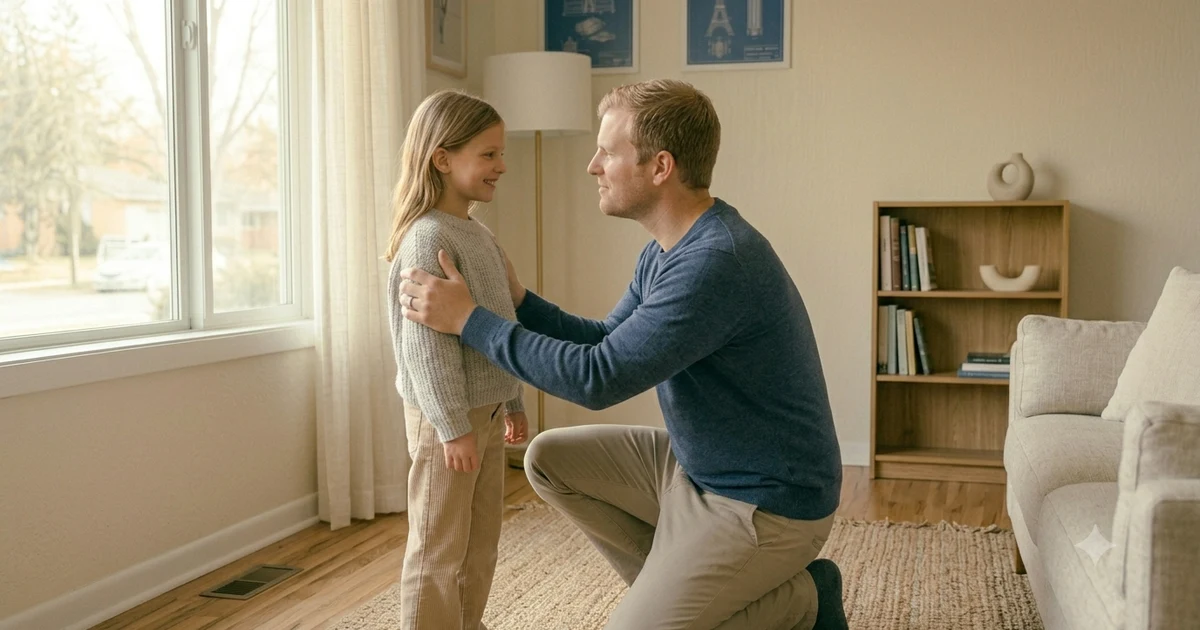
The words children hear repeatedly shape how they see themselves. A simple sentence spoken with sincerity can help a child feel capable, safe, respected, and emotionally supported.
Using words of affirmation for kids is one of the easiest ways parents, caregivers, teachers, and family members can build confidence while strengthening emotional connection. The right words can encourage resilience, reinforce healthy self-esteem, and help children develop a more positive inner voice over time.
If you want practical phrases you can actually use in everyday life, this guide covers exactly that.
Short Answer
Words of affirmation for kids are positive, encouraging statements that help children feel valued, capable, loved, and emotionally supported.
These can be simple phrases used during everyday moments, such as:
- I’m proud of how hard you worked on that.
- You handled that situation really well.
- I love the way you keep trying.
- You have great ideas.
- I appreciate how kind you were today.
Small words repeated consistently often have a bigger long-term impact than people realize.
Quick Tip
Do not only praise results.
Children benefit most when affirmation focuses on effort, character, kindness, persistence, honesty, creativity, and growth, not just winning or getting things right.
Instead of saying:
- You’re so smart.
Try saying:
- I noticed how patiently you worked through that problem.
This teaches healthy confidence instead of performance-based validation.
What Are Words of Affirmation for Kids?
Words of affirmation are verbal expressions that communicate encouragement, appreciation, support, and recognition.
For children, these words help create emotional security while teaching them how to develop confidence from healthy sources.
They work because children often build their internal beliefs based on repeated messages from trusted adults.
Positive affirmation helps kids learn things like:
- I can keep trying even when something feels difficult.
- My effort matters.
- Mistakes are part of learning.
- I am valued beyond achievements.
- People notice my strengths.
Over time, those repeated messages become part of how children think about themselves.
Why Positive Words Matter for Children
Children constantly absorb feedback.
Negative patterns can shape self-doubt, while supportive communication helps build emotional resilience.
Consistent positive words of affirmation for kids can help:
- Build confidence naturally
- Reduce fear of failure
- Strengthen parent-child connection
- Encourage emotional security
- Improve communication habits
- Reinforce healthy behavior
- Support independence
- Create stronger self-esteem
The goal is not empty praise.
The goal is helping children develop a healthier internal voice.
Best Words of Affirmation for Kids Examples
These examples work well for everyday encouragement.
Confidence Building Affirmations
Use these when your child needs encouragement.
- You are capable of learning hard things.
- I believe in your ability to figure this out.
- You can handle challenges step by step.
- I trust your judgment.
- You keep improving every day.
- I know you can learn from this.
- You are stronger than you think.
- I see how much effort you put in.
Effort-Based Encouragement
These reinforce persistence rather than perfection.
- I noticed you kept going even when it got difficult.
- I’m proud of how hard you worked.
- You stayed focused and finished what you started.
- You did not give up, and that matters.
- I respect how patient you were.
- You worked really hard on improving that.
- I appreciate how committed you were.
- Your progress is easy to notice.
Emotional Support Messages
Helpful during stressful moments.
- It is okay to feel frustrated sometimes.
- You do not need to be perfect.
- I’m here while you work through this.
- Hard days do not define who you are.
- I know you are doing your best.
- You can take your time.
- You are allowed to make mistakes.
- I believe in your progress.
Short Words of Affirmation for Kids
Sometimes shorter phrases work better because they feel natural during daily interactions.
These simple affirmations are easy to repeat consistently.
- I believe in you.
- You are doing great.
- Keep going.
- I’m proud of you.
- Nice effort today.
- You handled that well.
- Great thinking.
- You are improving.
- You can do hard things.
- I appreciate your honesty.
- Good job staying calm.
- I love your creativity.
These work well for younger children.
Daily Positive Words of Affirmation for Kids
Daily repetition helps children build healthier self-belief patterns.
Here are simple daily affirmations.
Morning Encouragement
Good for starting the day positively.
- Today is a new chance to learn.
- I know you will do your best today.
- You have everything you need to handle today.
- I believe in the choices you make.
- You are ready for a good day.
- Your effort matters more than perfection.
Before School
Helpful for nervous children.
- Trust yourself today.
- You know more than you think.
- You are prepared.
- Be kind and stay curious.
- Your ideas matter.
- Learn something new and enjoy the process.
End of Day Encouragement
Good for emotional reassurance.
- I noticed how hard you worked today.
- I’m proud of how you handled things.
- You learned something valuable today.
- You showed kindness today.
- Tomorrow is another opportunity to grow.
- I appreciate the effort you gave today.
Words of Affirmation by Situation
Different situations need different kinds of encouragement.
| Situation | Helpful Affirmation |
|---|---|
| Child made a mistake | Mistakes help us learn new things |
| Child feels insecure | I believe in what you are capable of |
| Child is frustrated | You do not need to figure everything out immediately |
| Child worked hard | I noticed how much effort you gave |
| Child feels nervous | You can handle this one step at a time |
| Child lost confidence | Progress matters more than being perfect |
| Child helped someone | I appreciate how thoughtful you were |
This approach makes affirmation feel more genuine.
Text Message Style Affirmations for Older Kids
Older children and teenagers often respond well to simple text-style encouragement.
You can send messages like:
Before an Exam
- I know how hard you prepared for this.
- Trust what you know and stay calm.
- You have worked for this. Believe in yourself.
During a Difficult Week
- Hard weeks do not define who you are.
- Keep showing up. Progress takes time.
- I see your effort, even when things feel difficult.
Casual Daily Encouragement
- Just wanted to say I’m proud of you.
- You are doing better than you think.
- Keep moving forward. I notice your effort.
- I appreciate how responsible you have been lately.
How to Personalize Words of Affirmation for Kids
The most effective affirmations feel specific.
Instead of generic praise, mention something real.
Less Effective
- Good job.
Better
- I noticed how patient you were helping your younger brother.
Less Effective
- You’re amazing.
Better
- I like how carefully you thought through that decision.
To make affirmations feel personal:
- Mention a specific action
- Focus on effort instead of outcome
- Use your normal speaking style
- Be consistent instead of overly dramatic
- Avoid exaggerated praise
Children notice sincerity.
Common Mistakes to Avoid
Positive language helps, but certain habits make affirmations less effective.
1. Praising Only Results
Avoid teaching children that success equals worth.
Bad example:
- I’m proud only when you win.
Better:
- I’m proud of how much effort you gave.
2. Using Generic Praise Repeatedly
Repeating the same phrase loses impact.
Instead of always saying:
- Good job.
Try being specific.
3. Overpraising Everything
Constant praise can make encouragement feel less meaningful.
Not every moment needs celebration.
4. Comparing Kids to Others
Avoid phrases like:
- Why can’t you be more like your brother?
Comparison damages confidence.
5. Using Praise to Control Behavior
Affirmation should support healthy growth, not manipulation.
Avoid giving approval only when children behave exactly how adults want.
How to Make Positive Affirmations Feel Natural
Affirmation works best when integrated into normal life.
Use them during:
- Homework time
- Sports practice
- Difficult conversations
- Morning routines
- Bedtime conversations
- Car rides
- After school discussions
- Emotional setbacks
Do not wait for big achievements.
Small moments matter more than people think.
Copy and Save These Best Words of Affirmation for Kids
A quick list you can reuse anytime.
- I trust your ability to learn.
- You are becoming stronger every day.
- I appreciate how honest you are.
- You handled that better than you realize.
- I’m proud of how you kept trying.
- You are thoughtful and kind.
- Your ideas are worth sharing.
- You make good choices when you slow down and think.
- I respect how responsible you are becoming.
- I notice your effort, even when things feel hard.
- You are learning and growing every day.
- I believe in what you can do.
Save these and use them consistently.
Conclusion
Using words of affirmation for kids is not about giving constant praise or making children dependent on approval.
It is about helping kids build confidence through healthy communication, emotional safety, and consistent encouragement.
A few thoughtful words spoken regularly can shape how children view themselves for years.
The most effective affirmations are simple, specific, and sincere.
Frequently Asked Questions
1. What are words of affirmation for kids?
They are positive statements that help children feel supported, valued, encouraged, and emotionally secure.
2. How often should I use affirmations with children?
Daily use works best. Small moments of encouragement throughout normal routines are often enough.
3. What are short words of affirmation for kids?
Simple examples include:
- I believe in you
- Keep going
- I’m proud of you
- Great effort
- You handled that well
4. Do affirmations help children build confidence?
Yes. Repeated positive communication helps children develop healthier self-esteem and resilience.
5. Should parents praise effort or results?
Effort usually matters more because it teaches persistence and healthy confidence.
6. Can teachers use positive affirmations in the classroom?
Yes. Teachers can use affirmations to support participation, confidence, emotional safety, and motivation.
7. Are words of affirmation effective for teenagers too?
Yes. Older kids often respond well to simple encouragement, respectful communication, and supportive text messages.
8. What are the best words of affirmation for kids for daily use?
Short daily phrases like I believe in you, I notice your effort, and I appreciate your honesty work well.