
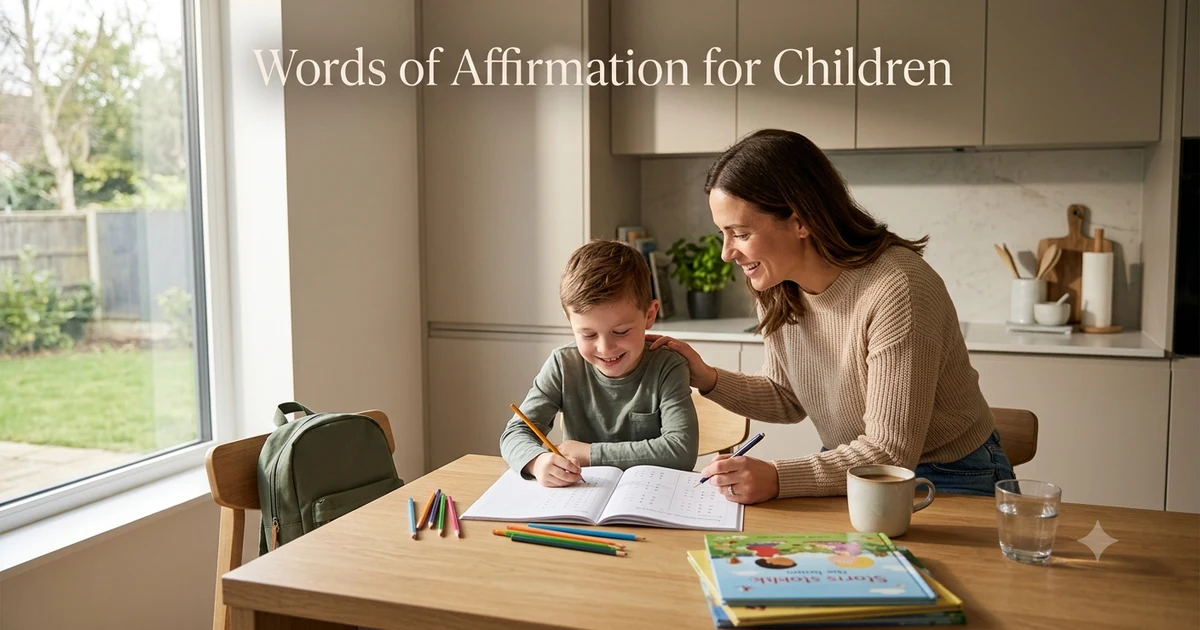
Raising a confident, kind, and emotionally secure child often starts with the words they hear every day. Simple, encouraging language can help children believe in themselves, handle challenges, and develop healthy self-esteem. That is why many parents, grandparents, caregivers, and teachers look for meaningful words of affirmation for children positive reinforcement praise that feel genuine instead of repetitive.
The right affirmation is more than a compliment. It helps children recognize their effort, understand their strengths, and feel valued for who they are rather than only for what they achieve. In this guide, you’ll find practical examples you can use at home, in the classroom, or during everyday conversations. You’ll also learn how to personalize your praise so it sounds sincere and has a lasting impact.
Short Answer
Words of affirmation for children positive reinforcement praise are encouraging statements that help children feel loved, capable, and appreciated. When you praise effort, kindness, honesty, creativity, or perseverance instead of only results, you support healthy emotional development and build lasting confidence.
Quick Tip
Instead of saying Good job every time, mention exactly what your child did well. Specific praise helps children understand their strengths and encourages them to repeat positive behaviors.
For example:
- I noticed how patiently you solved that puzzle.
- You kept trying even when it felt difficult.
- That was thoughtful of you to help your friend.
These statements feel personal and meaningful because they recognize real actions.
What Are Words of Affirmation for Children?
Words of affirmation are positive, supportive statements that encourage children through kindness, recognition, and genuine praise. They focus on helping children understand their value, celebrate progress, and develop confidence over time.
Unlike empty compliments, meaningful affirmations recognize effort, choices, character, and growth. They teach children that mistakes are part of learning and that persistence matters just as much as success.
Positive reinforcement does not mean praising everything a child does. Instead, it means noticing authentic moments worth encouraging.
Examples include:
- Trying something new.
- Showing kindness to others.
- Solving a problem independently.
- Being honest after making a mistake.
- Staying calm during a difficult moment.
- Finishing a challenging task.
Children who regularly hear thoughtful encouragement often become more willing to learn, take healthy risks, and recover from setbacks.
Why Positive Reinforcement and Praise Matter
Children naturally look to trusted adults for guidance. The words adults choose can shape how children think about themselves for years.
Healthy praise helps children develop confidence while teaching them that effort, responsibility, and kindness have real value.
Benefits include:
- Builds healthy self-esteem.
- Encourages perseverance.
- Supports emotional security.
- Reduces fear of failure.
- Strengthens parent-child relationships.
- Promotes independence.
- Reinforces positive behavior.
- Encourages empathy and kindness.
- Helps children develop a growth mindset.
- Makes communication more open and trusting.
The goal is not to create children who expect praise constantly. The goal is to help them develop an inner voice that is encouraging instead of overly critical.
Best Words of Affirmation for Children Positive Reinforcement Praise
These examples work well for daily conversations, bedtime, school mornings, after activities, or whenever your child needs encouragement.
Confidence Building Affirmations
Use these when your child needs reassurance or wants to try something new.
- You are capable of learning new things.
- I believe in you.
- You handled that really well.
- You are stronger than you realize.
- Your ideas matter.
- You make thoughtful choices.
- I love seeing your confidence grow.
- You have everything you need to keep learning.
- You are becoming more confident every day.
- You can figure this out one step at a time.
Praise for Effort
These examples encourage persistence rather than perfection.
- You worked so hard on that.
- I noticed you didn’t give up.
- Your patience really paid off.
- You kept trying until you found a solution.
- I admire your determination.
- You showed real perseverance today.
- Your practice is helping you improve.
- I’m proud of the effort you gave.
- You stayed focused even when it was difficult.
- Every time you practice, you grow a little more.
Encouraging Kindness
Kindness deserves recognition because it strengthens positive habits.
- That was very thoughtful.
- You made someone feel included today.
- I noticed your kindness.
- Your caring attitude makes a difference.
- Thank you for helping without being asked.
- You have a generous heart.
- You showed wonderful compassion.
- Your kindness brightened someone’s day.
- You treated everyone with respect.
- I appreciate how considerate you were.
Praise for Responsibility
Help children recognize responsible choices.
- You remembered your responsibilities today.
- Thank you for following through.
- You kept your promise.
- I can count on you.
- You handled that responsibly.
- You made a smart decision.
- I appreciate your honesty.
- You took ownership of your mistake.
- You are becoming more dependable.
- Your responsibility shows maturity.
Encouragement During Difficult Moments
Children also need affirmation when things don’t go as planned.
- It’s okay to make mistakes.
- I’m proud that you kept trying.
- Every challenge helps you learn.
- I know you can handle this.
- You don’t have to be perfect.
- I’ll support you while you figure it out.
- You are learning every day.
- It’s brave to keep going.
- I believe in your ability to grow.
- Tomorrow is another chance to try again.
Choosing the Right Affirmation
Different situations call for different kinds of encouragement. Matching your words to the moment makes your praise feel more genuine.
| Situation | Best Type of Affirmation | Example |
|---|---|---|
| Starting something new | Confidence | You can learn this one step at a time. |
| Homework | Effort | I noticed how focused you stayed. |
| Sports | Perseverance | You kept going even when it became challenging. |
| Helping others | Kindness | Your kindness made someone feel welcome. |
| Making a mistake | Encouragement | Mistakes help us learn and improve. |
| Completing chores | Responsibility | Thank you for following through without being reminded. |
| Feeling discouraged | Reassurance | I believe in you no matter what happens. |
| Trying again | Growth mindset | Every attempt helps you improve. |
Using affirmations that match the situation helps children connect praise with their actions rather than expecting general compliments.
Words of Affirmation for Daily Use
Short affirmations fit naturally into everyday routines. You do not need a special occasion to encourage your child.
Morning Encouragement
These messages help children start the day with confidence.
- I know you’ll do your best today.
- I’m proud to be your parent.
- Your smile makes mornings brighter.
- Today is another chance to learn something new.
- You are ready for whatever today brings.
- Remember that your effort matters.
- You have a kind heart and a curious mind.
- I believe in you every single day.
After School
Children often need encouragement after a busy day, regardless of how school went.
- I’m happy to see you.
- Tell me something you’re proud of today.
- I know you worked hard.
- Thank you for sharing your day with me.
- I’m proud of the way you handled today.
- You keep learning every day.
- Your effort matters more than being perfect.
- I’m always here to listen.
Before Bed
Bedtime affirmations help children end the day feeling safe and appreciated.
- I love you exactly as you are.
- I’m proud of the person you’re becoming.
- You made today better just by being yourself.
- Tomorrow is a fresh start.
- You are loved every single day.
- I enjoyed spending time with you today.
- You handled today’s challenges with courage.
- Sleep well knowing you are cared for.
These simple conversations often become the moments children remember long after they grow up.
Common Mistakes to Avoid When Using Words of Affirmation
Positive reinforcement works best when it feels honest and specific. Even well-intentioned praise can lose its impact if it becomes repetitive or unrealistic.
Here are some common mistakes to avoid.
Praising Everything
Children benefit from encouragement, but praising every small action can make compliments feel routine. Save your strongest praise for moments that truly deserve recognition.
Instead of:
- Amazing job for putting on your shoes.
Try:
- You remembered to get ready on your own. That shows responsibility.
Focusing Only on Results
If children only hear praise when they win or earn high grades, they may begin to fear failure.
Celebrate progress, persistence, and learning just as much as achievements.
For example:
- I noticed how much you practiced before your presentation.
- You stayed positive even when it was challenging.
Comparing Children
Comparisons can unintentionally damage confidence.
Avoid saying:
- Why can’t you be more like your sister?
- You’re the best student in your class.
Instead, focus on your child’s own growth.
- You’re improving every week.
- I can see how much effort you’ve put into this.
Using Generic Praise Too Often
Repeating the same phrases every day makes them less meaningful.
Instead of always saying:
- Good job.
Mix your language with more specific observations.
- You stayed patient.
- You solved that problem creatively.
- You showed real kindness today.
- I noticed your determination.
Ignoring Genuine Feelings
Affirmations should never dismiss a child’s emotions.
Instead of saying:
- You’re fine. Don’t be upset.
Try:
- I know this feels disappointing. I’m proud of how you’re working through it.
Acknowledging feelings while offering encouragement helps children build emotional resilience.
How Often Should You Use Words of Affirmation?
There is no perfect number. The goal is to make encouragement a natural part of daily life instead of something children only hear after major accomplishments.
Many families naturally include affirmations during everyday moments such as:
- Before school.
- After school.
- During homework.
- At dinner.
- Before bedtime.
- After sports or activities.
- When a child faces disappointment.
- While celebrating progress.
Consistency matters more than quantity. Even a few thoughtful comments each day can strengthen your relationship with your child.
Creating a Positive Home Environment
Words of affirmation become even more meaningful when they are part of a supportive family culture.
You can encourage positive communication by:
- Listening without interrupting.
- Celebrating effort as well as success.
- Letting children express their feelings openly.
- Thanking children when they help others.
- Modeling respectful communication.
- Admitting your own mistakes and showing how to learn from them.
- Encouraging siblings to compliment one another.
- Making family conversations safe, respectful, and encouraging.
Children often repeat the language they hear. When adults speak with kindness and encouragement, children learn to do the same with others and with themselves.
Making Words of Affirmation Feel Natural
You do not need perfect wording. Children remember sincerity more than carefully crafted sentences.
Keep these ideas in mind:
- Speak in your own voice.
- Mention specific actions whenever possible.
- Praise effort, kindness, honesty, responsibility, and perseverance.
- Avoid exaggeration.
- Encourage growth instead of perfection.
- Match your tone to your child’s personality.
- Combine encouraging words with quality time, affection, and active listening.
The best affirmations are simple, genuine, and timely.
Copy, Adapt, and Make Them Your Own
The examples in this guide are meant to inspire, not replace, your own voice.
Try adding personal details such as:
- Your child’s name.
- Something they accomplished that day.
- A quality you genuinely admire.
- A shared memory.
- An encouraging reminder for tomorrow.
For example:
Instead of:
- I’m proud of you.
Try:
- Emma, I noticed how patient you were while helping your little cousin today. That kindness says so much about the person you’re becoming.
Small personal details make affirmations far more memorable.
Conclusion
Using words of affirmation for children positive reinforcement praise is one of the simplest ways to encourage confidence, resilience, and emotional security. The most meaningful praise is honest, specific, and focused on effort, kindness, responsibility, and growth rather than perfection.
You do not need long speeches or elaborate compliments. A few thoughtful words spoken at the right moment can help children believe in themselves, face challenges with confidence, and develop a positive inner voice that lasts well into adulthood.
Save your favorite affirmations, personalize them for your child, and make encouraging conversations part of your daily routine. Over time, those small moments of encouragement can have a lasting impact.
Frequently Asked Questions
What are words of affirmation for children?
Words of affirmation are positive, encouraging statements that help children feel valued, supported, and confident. They focus on effort, character, kindness, responsibility, and personal growth rather than only achievements.
Why is positive reinforcement important for children?
Positive reinforcement encourages children to repeat healthy behaviors, build confidence, develop resilience, and enjoy learning. It also strengthens trust and communication between children and the adults who care for them.
How can I use words of affirmation naturally?
Notice something specific your child did well, describe it clearly, and explain why it mattered. Genuine observations feel much more meaningful than repeating the same compliment every day.
Can too much praise be harmful?
Yes. Constant or exaggerated praise can make compliments lose their value or create pressure to be perfect. Focus on sincere encouragement that recognizes real effort and progress.
What are some short words of affirmation for children positive reinforcement praise?
Simple examples include:
- I believe in you.
- I’m proud of your effort.
- You are kind.
- You handled that well.
- Keep trying.
- You are learning every day.
- Your ideas matter.
- I appreciate your honesty.
These short affirmations work well in daily conversations, school mornings, or bedtime routines.
Should teachers use words of affirmation in the classroom?
Absolutely. Specific, respectful praise encourages participation, supports confidence, improves classroom relationships, and helps students feel comfortable taking on new challenges.
What should I praise instead of intelligence?
Instead of focusing only on intelligence, praise qualities children can continue to develop, such as persistence, curiosity, creativity, honesty, kindness, responsibility, teamwork, and problem-solving.