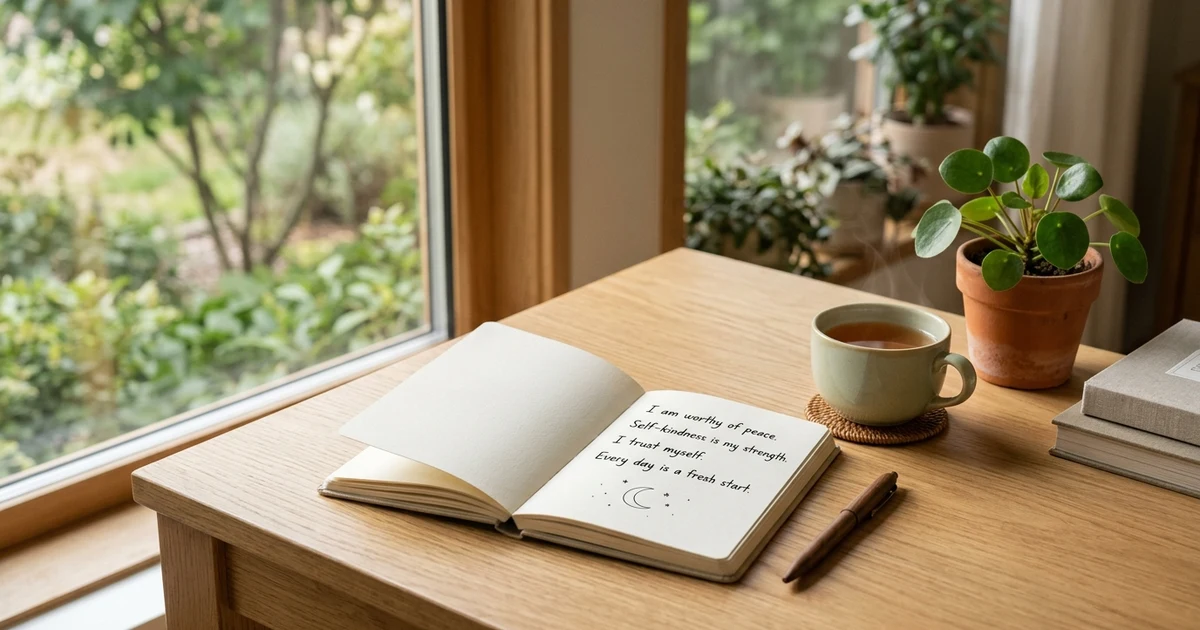
Positive affirmations mental health practices can offer a simple way to encourage self-kindness, patience, and a more balanced perspective during difficult moments. These short, supportive statements can remind you that your feelings matter, progress takes time, and you do not need to have everything figured out today.
Whether you are looking for daily encouragement, words to copy and paste, or simple phrases to use when life feels overwhelming, this collection gives you practical options for different situations. You can choose the statements that feel believable and meaningful to you, adapt them to your needs, and return to them whenever you want a moment of encouragement.
Positive Affirmations Mental Health: 100+ Examples to Try
Positive affirmations for mental health are encouraging statements that help you practice a kinder and more supportive way of talking to yourself. They are not about pretending that everything is fine. Instead, they offer reminders of your strengths, needs, choices, and ability to take things one step at a time.
Here are affirmations you can read, write down, or save for later.
Short Positive Affirmations for Mental Health
These short statements are easy to remember and useful for everyday encouragement.
- I deserve kindness, including from myself.
- My feelings matter.
- I can take things one step at a time.
- I am allowed to rest.
- I do not need to be perfect.
- I can learn from difficult experiences.
- I deserve patience and understanding.
- I can ask for help when I need it.
- I am more than one difficult day.
- I can give myself another chance.
- My needs are important.
- I can focus on what is within my control.
- I am learning to trust myself.
- I can make room for hope.
- I deserve moments of peace.
- I can be gentle with myself today.
- Small steps still count.
- I do not have to do everything at once.
- I can change my approach when needed.
- I am allowed to grow at my own pace.
Best Positive Affirmations for Daily Mental Health Support
Use these statements as gentle reminders during your morning routine, study breaks, journaling, or quiet moments.
- I can approach today with patience and curiosity.
- I deserve a healthy balance between effort and rest.
- I can recognize my progress without comparing myself to others.
- I am allowed to have good days and difficult days.
- I can treat myself with the same understanding I offer others.
- I do not need to solve every problem today.
- I can appreciate small moments of comfort.
- I can learn to respond to myself with compassion.
- I am allowed to change my mind and adjust my plans.
- My worth is not determined by my productivity.
- I can take a break without feeling that I have failed.
- I can notice what I need and respond with care.
- I can make choices that support my well-being.
- I can celebrate effort as well as results.
- I deserve supportive and respectful relationships.
- I can practice patience while I work through challenges.
- I can begin again after a difficult moment.
- I can make time for activities that help me feel grounded.
- I am learning, even when progress feels slow.
- I can build routines that work for my needs.
Positive Affirmations for Anxiety and Overwhelming Moments
When you feel worried or overwhelmed, simple statements may help you pause and redirect your attention. Choose phrases that feel realistic rather than forcing yourself to believe that nothing can go wrong.
- I can take this moment one step at a time.
- I do not need to answer every worry right now.
- I can pause before deciding what to do next.
- I can notice my thoughts without treating every thought as a fact.
- I can focus on the next manageable step.
- I am allowed to ask someone for reassurance or support.
- I can give myself time to understand what I am feeling.
- I can return my attention to what is happening right now.
- I do not have to predict every possible outcome.
- I can handle uncertainty one decision at a time.
- I can take a gentle breath and slow down.
- I can seek help when my worries feel difficult to manage.
- Feeling worried does not mean I have done something wrong.
- I can give myself permission to pause.
- I can respond to this moment with patience.
Positive Affirmations for Self-Esteem and Self-Worth
These affirmations focus on self-respect, personal growth, and a healthier relationship with yourself.
- I deserve respect, even when I make mistakes.
- I can recognize my strengths without ignoring my challenges.
- I do not need everyone’s approval to value myself.
- I am allowed to take up space and express my needs.
- I can learn without judging myself harshly.
- My mistakes do not define my entire identity.
- I deserve relationships where I feel respected.
- I can be proud of the effort I make.
- I do not need to compare my journey with someone else’s.
- I can speak to myself with more patience.
- My opinions and experiences matter.
- I can set boundaries that protect my well-being.
- I am allowed to receive support from others.
- I can appreciate the qualities that make me who I am.
- I deserve care without having to earn it through perfection.
Positive Affirmations for Difficult Days
Some days call for gentler words rather than ambitious goals. These statements offer encouragement without asking you to ignore what feels difficult.
- I only need to focus on the next small step.
- It is okay if today looks different from what I planned.
- I can give myself permission to slow down.
- I do not need to explain every feeling immediately.
- I can let this day be imperfect.
- I deserve care even when I feel unproductive.
- I can reach out instead of handling everything alone.
- I am allowed to start with what I can manage.
- A difficult moment does not tell the whole story of my life.
- I can give myself time to recover from a stressful day.
- I can choose one helpful thing to do next.
- I do not need to judge myself for having a hard time.
- I can accept support without feeling weak.
- I can take care of my basic needs one at a time.
- I can approach tomorrow when it arrives.
Positive Affirmations for Emotional Healing and Personal Growth
These statements encourage reflection, emotional awareness, and patience as you work through life’s challenges.
- I can acknowledge my feelings without judging them.
- I am allowed to learn new ways of responding to stress.
- I can move forward without having every answer.
- I can learn from my past without living in it.
- I can practice forgiveness at my own pace.
- I can make space for difficult emotions and moments of joy.
- I am allowed to build healthier habits gradually.
- I can ask for what I need.
- I can recognize when a situation is beyond my control.
- I can choose relationships that support mutual respect.
- I can develop new skills for handling challenges.
- I can appreciate the progress I have already made.
- I can change patterns that no longer serve me.
- I can be patient with the parts of life I am still learning to navigate.
- I can create a life that reflects my values, one choice at a time.
How to Choose Positive Affirmations for Different Mental Health Needs
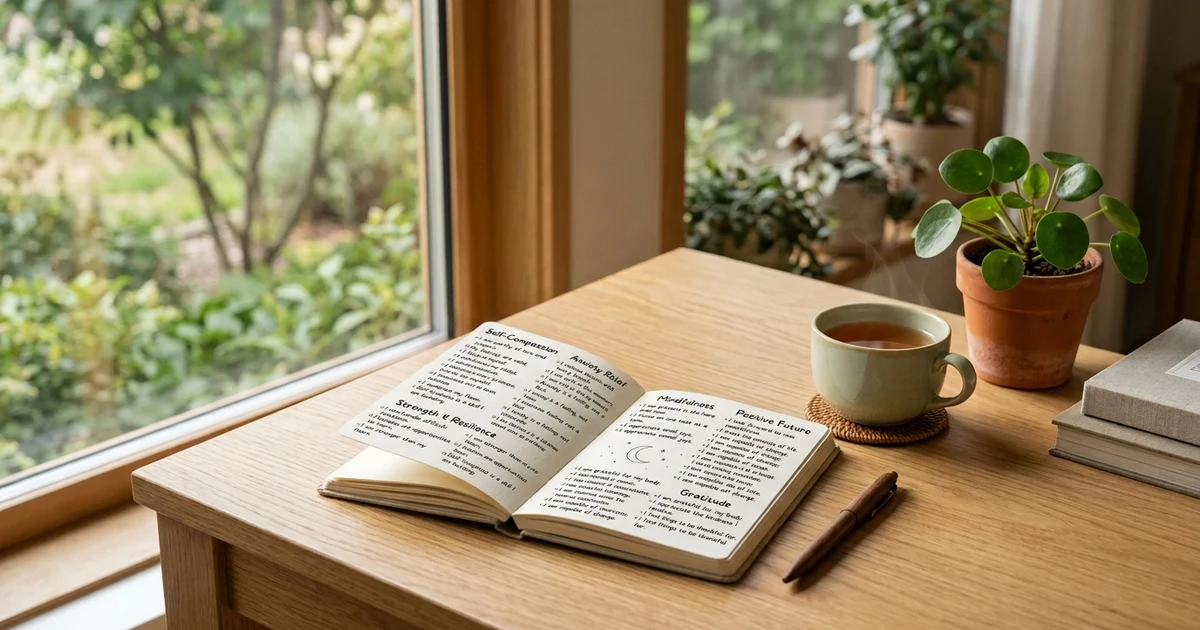
Not every affirmation will feel right for every person or situation. The most useful statements are often those that speak directly to what you need in a particular moment.
Here are a few ways to choose affirmations based on your circumstances.
When You Feel Stressed
Choose statements that remind you to slow down, prioritize, and focus on manageable tasks.
- I can do one thing at a time.
- I am allowed to take a break before continuing.
- I can separate urgent tasks from tasks that can wait.
- I do not need to make every decision immediately.
- I can ask for help when my responsibilities feel overwhelming.
You might write one statement on a sticky note near your workspace or keep it in your notebook.
When You Feel Discouraged
Choose affirmations that acknowledge your effort without demanding instant success.
- I can learn from this experience.
- One setback does not erase my progress.
- I can try a different approach.
- I am allowed to be a beginner.
- I can recognize what went well, even when things were difficult.
These statements can be especially useful when learning a new skill, working toward a goal, or facing a disappointing result.
When You Feel Lonely
Affirmations can remind you that connection and support are important human needs.
- I deserve meaningful connection.
- I can take small steps toward building friendships.
- I am allowed to tell someone that I need company.
- I deserve relationships built on mutual care.
- I can reach out to someone I trust.
An affirmation can be a reminder to take action, such as messaging a friend or talking with a trusted family member.
When You Feel Overly Self-Critical
Choose words that help you replace harsh judgments with a more balanced perspective.
- I can correct a mistake without insulting myself.
- I am learning, and learning takes practice.
- I deserve the chance to improve.
- I can notice my strengths and areas for growth.
- I can speak to myself with respect.
The goal is not to ignore mistakes. It is to learn from them without making your entire identity depend on them.
How to Use Positive Affirmations for Mental Health Naturally
Affirmations are most practical when they fit into your normal routine. You do not need a special setting, a long meditation session, or a large collection of statements to get started.
Try these simple steps.
- Choose one or two statements. Start with phrases that relate to your current needs instead of trying to memorize the entire list.
- Use words you believe are possible. If a statement feels unrealistic, adjust it until it sounds more natural.
- Connect the words with an action. After saying, “I deserve rest,” consider taking a short break if you can.
- Repeat them at a convenient time. You might read an affirmation in the morning, before studying, or when writing in a journal.
- Notice your response. Pay attention to whether the words feel comforting, neutral, or frustrating. You can change them accordingly.
- Keep your expectations realistic. Affirmations are a practice, not a test you must pass.
For example, if “I am always confident” feels untrue, try “I can practice confidence in small ways.” The second statement allows room for uncertainty while still encouraging growth.
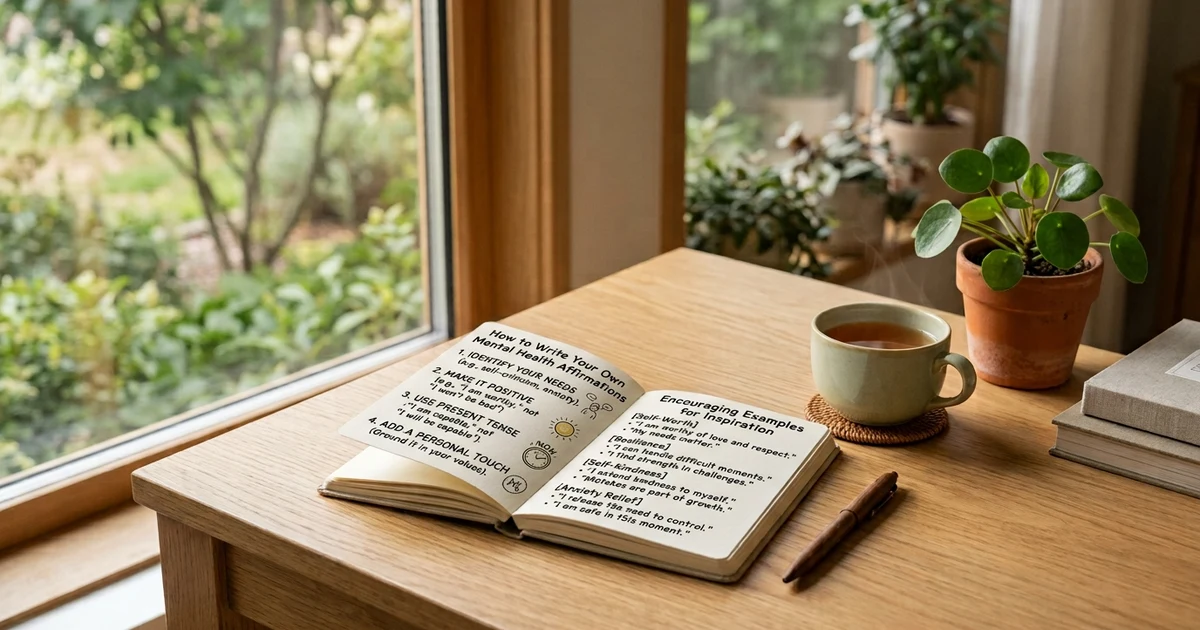
How to Write Your Own Mental Health Affirmations
Personal affirmations can be more meaningful than general statements because they reflect your experiences, priorities, and needs.
Use this simple process to write your own.
Step 1: Identify what you need.
Ask yourself whether you need encouragement, patience, self-respect, motivation, or a reminder to seek support.
Step 2: Write one kind and realistic sentence.
Keep it simple. For example, if you often feel pressured to finish everything, write, “I can prioritize what matters most and leave other tasks for later.”
Step 3: Use language that feels natural.
You do not have to use grand or dramatic words. A quiet, believable sentence can be more useful than an exaggerated promise.
Step 4: Include room for real emotions.
Try “I can feel disappointed and still treat myself with kindness” rather than “I will never feel disappointed.”
Step 5: Link the affirmation to a helpful choice.
If your statement is about boundaries, consider one respectful way to communicate a need. If it is about rest, think about how to make time for a break.
The best affirmation is not necessarily the most positive-sounding one. It is the one that helps you approach yourself and your circumstances with greater understanding.
Common Mistakes to Avoid When Using Positive Affirmations
Affirmations should support your well-being, not become another source of pressure. A few common mistakes can make the practice feel less helpful.
Forcing Yourself to Feel Positive
You do not need to feel happy or confident every time you repeat an affirmation. A statement can offer encouragement even when your emotions do not immediately change.
Instead of insisting, “Everything is wonderful,” try, “I can acknowledge what is difficult and look for one helpful next step.”
Choosing Statements That Feel Completely Unbelievable
If a phrase conflicts strongly with your current experience, repeating it may feel frustrating.
Choose a gentler alternative. For example, replace “I am never afraid” with “I can take a small step even when I feel afraid.”
Using Affirmations to Ignore Problems
Positive self-talk should not encourage you to overlook unhealthy situations, avoid responsibilities, or dismiss your needs.
You can acknowledge a problem while reminding yourself that you deserve support and can explore your options.
Expecting Immediate Results
Affirmations do not work like an instant solution. Their usefulness varies from person to person, and repeating them does not guarantee a particular emotional outcome.
Treat them as one possible tool for reflection and encouragement rather than a promise that difficult feelings will disappear.
Replacing Professional Support With Affirmations
Affirmations may complement other forms of support, but they are not a substitute for mental health care when you need it. If distress is persistent, interferes with everyday life, or feels difficult to manage, consider talking with a qualified mental health professional or another trusted support person.
Positive Affirmations for Mental Health Printable Ideas
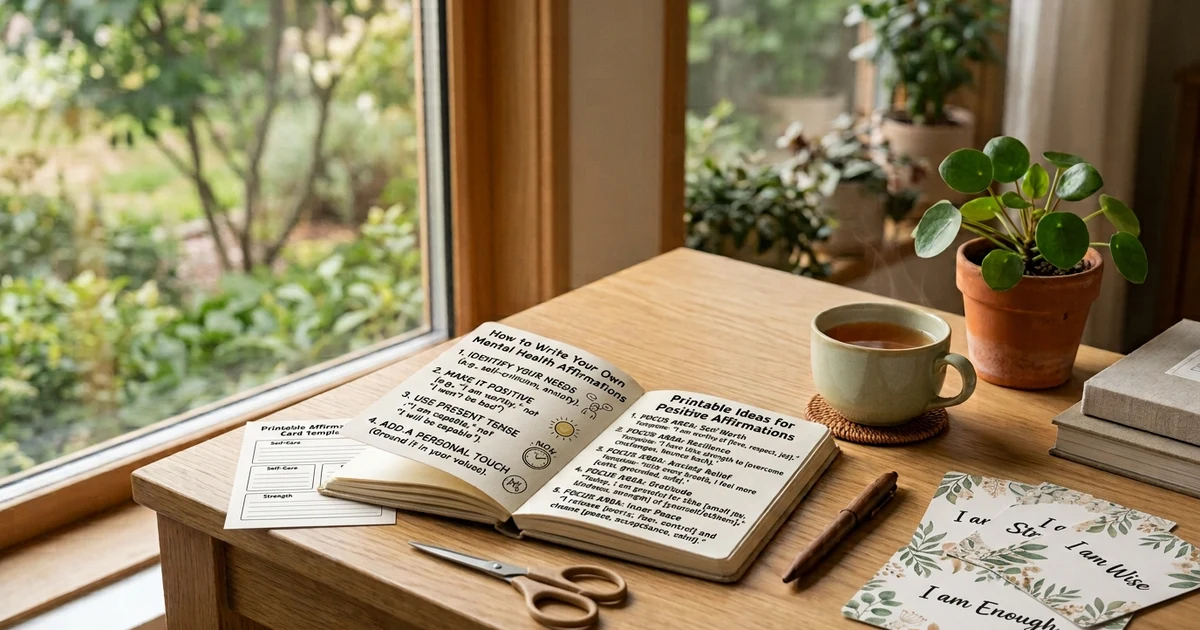
A printable affirmation list can make it easier to keep your favorite statements somewhere visible. You can create a simple page using a notebook, word processor, or basic design tool.
Consider these practical printable formats:
- Daily affirmation sheet: Choose seven statements and use one each day.
- Affirmation cards: Write one short statement on each card and keep them in a small box.
- Journal page: Add an affirmation, a brief reflection, and one action you want to take.
- Study or work reminder: Place a supportive statement near your desk.
- Evening reflection page: Write one kind thing you want to remember about how you handled the day.
- Personal affirmation list: Leave blank lines so you can add phrases that fit your changing needs.
For a clean, easy-to-read printable, use a clear font, generous spacing, and simple headings. You can organize affirmations by theme, such as self-worth, stress, rest, and personal growth.
If you plan to save or share the page, choose statements that feel supportive without promising that affirmations can cure or prevent mental health conditions.
Do Positive Affirmations Actually Help Mental Health?
Positive affirmations may help some people develop more supportive self-talk, reflect on personal values, or remember helpful responses during stressful situations. However, their effects are not the same for everyone.
It is also important to distinguish between general positive affirmations and self-affirmation exercises studied in psychology. Some research examines reflecting on personally important values, which is not exactly the same as repeating a positive sentence every morning.
An affirmation may be useful when it helps you approach a challenge with patience or reminds you to take a constructive step. It may be less helpful if it feels unrealistic or pressures you to deny difficult emotions.
For a balanced approach, pair affirmations with practical habits such as getting adequate rest, maintaining supportive relationships, setting manageable goals, and seeking professional guidance when needed.
Conclusion
Positive affirmations mental health practices can give you simple reminders to approach yourself with patience, respect, and understanding. Whether you choose short daily phrases, statements for stressful moments, or personalized affirmations for personal growth, focus on words that feel realistic and supportive.
You do not need to feel positive all the time, and you do not have to handle every challenge alone. Let your affirmations encourage small, practical steps toward caring for yourself. Save this list and return to the statements that speak to your needs. You can change your favorites as your circumstances change and build a practice that feels natural to you.
Frequently Asked Questions About Positive Affirmations Mental Health
1. What are positive affirmations for mental health?
Positive affirmations for mental health are encouraging statements intended to support kinder self-talk, self-awareness, and a balanced perspective. Examples include “My feelings matter” and “I can take things one step at a time.”
2. What are the best positive affirmations for mental health?
The best affirmations are those that feel relevant and believable to you. Statements such as “I deserve kindness,” “I can ask for help,” and “Small steps still count” can offer gentle encouragement during everyday challenges.
3. Can I use positive affirmations for mental health every day?
Yes. You can include affirmations in a morning routine, journal, study break, or evening reflection. Choose a manageable number of statements and adjust the practice if it begins to feel forced.
4. What are some short positive affirmations for mental health?
Short examples include “I am allowed to rest,” “My needs matter,” “I can begin again,” and “I deserve patience.” These phrases are easy to write down or keep as reminders.
5. Do positive affirmations help with anxiety?
Affirmations may help some people pause, use kinder self-talk, or focus on a manageable next step. They do not reliably eliminate anxiety and should not replace appropriate professional support when anxiety is persistent or disruptive.
6. What should I say when I am having a difficult day?
Try a statement that acknowledges your experience without demanding that you feel better immediately. For example, “I can give myself time,” or “I only need to focus on the next small step.”
7. How do I make affirmations feel more believable?
Use realistic language that allows room for your current feelings. Instead of “I am always confident,” try “I can practice confidence one step at a time.” Personalizing the wording can make it feel more natural.
8. Can I write my own mental health affirmations?
Yes. Start by identifying what you need, such as patience or encouragement. Then write one short, supportive sentence that reflects a realistic choice, strength, or reminder.
9. Can I use positive affirmations alongside therapy?
Affirmations can be used as a complementary self-reflection practice alongside therapy or other appropriate care. Discuss your goals and experiences with your mental health professional if you are unsure whether a particular practice suits your needs.
10. Where can I keep a list of positive affirmations for mental health?
You can save your favorite statements in a phone note, journal, printable sheet, or set of affirmation cards. Choose a format that is easy to access and convenient for your daily routine.