Introduction
If you’ve ever felt encouraged after hearing someone say, I’m proud of you or I appreciate everything you do, you’ve experienced the impact of words of affirmation. These positive, sincere expressions can strengthen relationships, build confidence, and help people feel valued.
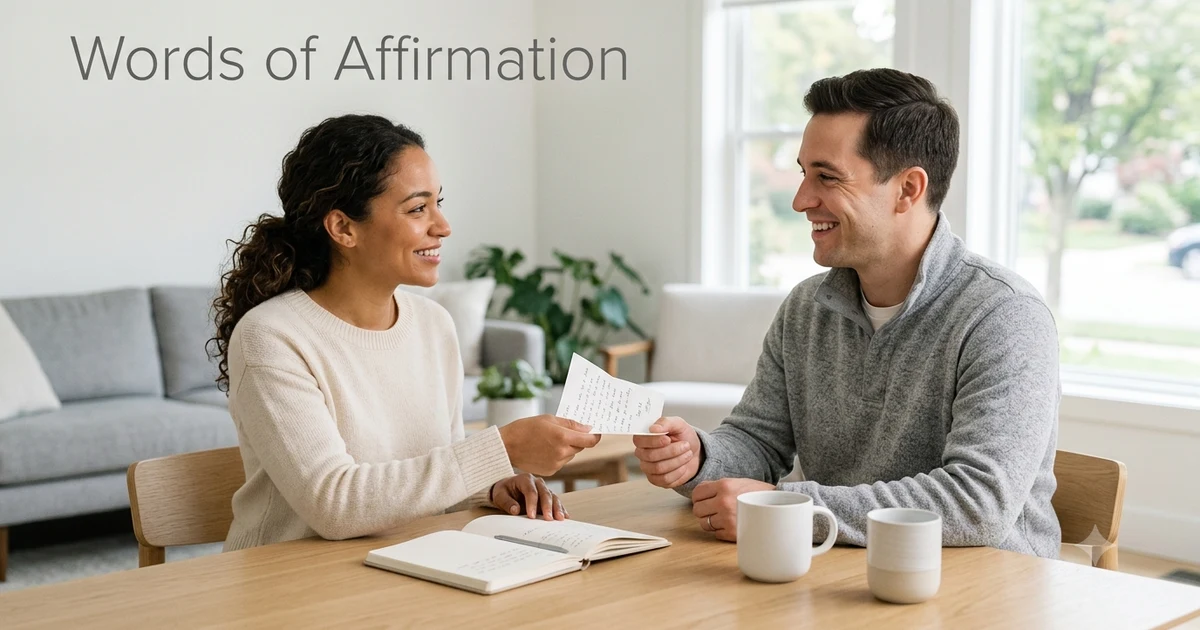
The definition of words of affirmation goes beyond simple compliments. They are intentional words that communicate appreciation, encouragement, respect, love, or belief in someone. Whether spoken face to face, sent in a text, written in a note, or shared during a conversation, they remind people that they matter.
Many people first hear about words of affirmation through the Five Love Languages, but anyone can use them in everyday life. They can improve friendships, family relationships, workplace communication, and even the way you talk to yourself.
In this guide, you’ll learn what words of affirmation mean, why they matter, and how to use them naturally with real-life examples.
Short Answer
The definition of words of affirmation is simple: they are positive, sincere words that express appreciation, encouragement, respect, love, or support. They help people feel recognized and emotionally connected through spoken or written communication.
Unlike flattery, genuine words of affirmation focus on honesty. They acknowledge a person’s character, effort, achievements, or value in a meaningful way.
Quick Tip
The most effective words of affirmation are specific. Instead of saying You’re amazing, try mentioning exactly what you appreciate, such as You handled that conversation with patience, and I really admire that.
What Is the Definition of Words of Affirmation?
Words of affirmation are verbal or written expressions that communicate encouragement, appreciation, gratitude, respect, affection, or confidence in another person. They help people feel seen, supported, and valued through thoughtful communication.
For many people, hearing positive and genuine words carries significant emotional weight. A simple sentence at the right moment can boost confidence, reduce stress, or strengthen trust.
Words of affirmation can include:
- Compliments
- Encouraging statements
- Expressions of gratitude
- Recognition of effort
- Loving messages
- Reassurance during difficult times
- Positive self-talk and affirmations
They are not limited to romantic relationships. Parents, friends, coworkers, teachers, managers, and mentors all use words of affirmation to encourage and support others.
Words of Affirmation Meaning in Simple Terms
Think of words of affirmation as verbal encouragement that helps someone feel appreciated and respected.
Instead of focusing on gifts or actions, they rely on language to communicate care and recognition.
For example:
- You worked really hard on this project, and it shows.
- I appreciate how reliable you’ve been.
- You always know how to make people feel welcome.
- I’m proud of the progress you’ve made.
- Thank you for supporting me today.
Each message communicates genuine appreciation without sounding exaggerated.
Why Words of Affirmation Matter
Positive words influence how people see themselves and their relationships. While everyone appreciates kind communication, some people especially value verbal encouragement and feel most connected when others express appreciation openly.
Words of affirmation can help:
- Build stronger relationships.
- Increase confidence.
- Reduce self-doubt.
- Encourage healthy communication.
- Make appreciation visible instead of assumed.
- Strengthen trust between partners, friends, and family members.
- Create a more positive workplace culture.
- Improve emotional connection through everyday conversations.
Even brief affirming comments can have a lasting effect when they are sincere and well-timed.
Words of Affirmation vs Compliments
Many people think words of affirmation and compliments are exactly the same, but there is an important difference.
| Words of Affirmation | Compliments |
|---|---|
| Focus on appreciation, encouragement, character, effort, and emotional support. | Usually focus on appearance, talent, or achievement. |
| Help strengthen relationships over time. | Often provide a quick confidence boost. |
| Can express gratitude, reassurance, or belief in someone. | Often recognize something positive about a person. |
| Usually more personal and meaningful. | Can be simple and casual. |
For example:
Compliment
- Your presentation looked great.
Word of affirmation
- I could tell how much preparation you put into your presentation. Your confidence really stood out.
The second example recognizes effort rather than only the final result, making it feel more personal.
Best Definition of Words of Affirmation Examples
The following examples show how words of affirmation can fit naturally into everyday conversations.
Appreciation
Use these when you want someone to feel recognized for their effort.
- I appreciate how dependable you’ve been lately.
- Thank you for always following through on your promises.
- You make working together much easier.
- I notice the effort you put into everything you do.
- Your support has made a real difference.
Encouragement
These messages help someone stay motivated during challenges.
- You’ve handled difficult situations before, and I know you can handle this one too.
- Keep going. Your progress is real, even if it feels slow.
- I believe in your ability to figure this out.
- Every step forward counts.
- You’re stronger than you give yourself credit for.
Recognition
These affirmations acknowledge someone’s character and actions.
- Your kindness never goes unnoticed.
- People trust you because you’re honest.
- You bring calm to stressful situations.
- Your dedication inspires the people around you.
- I admire how consistent you’ve been.
Reassurance
These examples help someone feel supported.
- You don’t have to face this alone.
- I’m here whenever you need to talk.
- It’s okay to take things one step at a time.
- You’re doing better than you think.
- I believe in you, even on the days you doubt yourself.
Gratitude
Express genuine thankfulness with messages like these.
- Thank you for making time for me.
- I’m grateful for your patience.
- I appreciate everything you’ve done this week.
- Your help made a stressful day much easier.
- I’m lucky to have someone as supportive as you.
Short Words of Affirmation Examples
Sometimes, just a few words are enough to brighten someone’s day.
| Situation | Short Words of Affirmation |
|---|---|
| Daily encouragement | You’re doing great. |
| Appreciation | Thank you for everything. |
| Support | I’ve got your back. |
| Motivation | Keep going. |
| Confidence | I believe in you. |
| Recognition | You handled that well. |
| Friendship | I’m glad you’re here. |
| Family | I’m proud of you. |
| Workplace | Great work today. |
| Difficult day | You’re not alone. |
These short phrases work well in text messages, handwritten notes, conversations, emails, or even as daily reminders. They are easy to personalize by mentioning a specific action or quality, making them feel more genuine and memorable.
Daily Words of Affirmation Examples
Using words of affirmation regularly helps create stronger relationships over time. You do not need to wait for birthdays, anniversaries, or major achievements. Small, sincere messages often have the greatest impact.
Morning Encouragement
Start someone’s day with a little confidence and positivity.
- I hope today brings you plenty of reasons to smile.
- You’ve got everything you need to handle today.
- I know you’ll do your best, and that’s enough.
- Wishing you a productive and rewarding day.
- I’m cheering you on from the start.
After a Long Day
These messages help someone feel noticed and supported.
- You worked hard today, and it didn’t go unnoticed.
- I’m proud of how you kept going.
- You deserve some time to relax tonight.
- Thank you for everything you did today.
- I hope you’re proud of yourself because I am.
Before an Important Event
Offer reassurance before an interview, presentation, exam, or meeting.
- Trust your preparation.
- You’ve earned the opportunity you’re walking into.
- Stay confident and be yourself.
- Your hard work will speak for itself.
- No matter what happens, I’m proud of you for trying.
During Difficult Times
Support matters most when someone feels overwhelmed.
- It’s okay to take things one step at a time.
- You don’t have to figure everything out today.
- I’m here if you need support.
- You’re stronger than this moment.
- Better days will come, and you won’t face them alone.
Words of Affirmation by Situation
Different situations call for different kinds of encouragement. Choosing the right words makes your message feel more thoughtful and personal.
For a Friend
Friends appreciate encouragement that feels genuine and relaxed.
- I always know I can count on you.
- You make life more enjoyable.
- Your advice has helped me more than you realize.
- I’m grateful for your friendship.
- You bring out the best in people.
For a Partner
Healthy relationships grow through regular appreciation.
- I appreciate everything you do for us.
- You make even ordinary days better.
- I love the way you support my goals.
- Thank you for always listening.
- I’m grateful we’re building this life together.
For a Family Member
Family members often hear criticism more than appreciation. Positive words can strengthen those relationships.
- I’m proud of the person you’ve become.
- Your kindness makes our family stronger.
- Thank you for always being there.
- I admire your patience.
- I appreciate everything you do behind the scenes.
For a Coworker
Professional affirmation improves teamwork and morale.
- Your attention to detail made a difference.
- Thanks for stepping in to help today.
- You always bring thoughtful ideas to the team.
- I appreciate your reliability.
- Your positive attitude makes collaboration easier.
For Yourself
Words of affirmation also support healthy self-talk.
- I’m making progress every day.
- My effort matters.
- I can learn from mistakes.
- I deserve kindness, including from myself.
- I’m capable of handling today’s challenges.
How to Use Words of Affirmation Naturally
The best affirmations sound like something you would actually say. They should match your personality and the relationship you have with the other person.
Here are a few ways to make them feel authentic.
Be Specific
Instead of giving vague praise, mention what you noticed.
Less effective:
- Great job.
More meaningful:
- You stayed calm during a stressful meeting, and I really admired that.
Focus on Effort
Recognizing effort often means more than praising natural ability.
For example:
- I noticed how much time you spent preparing.
- Your consistency has really paid off.
- You’ve worked hard to reach this point.
Speak at the Right Time
Affirmation feels most genuine when it matches the moment.
Good opportunities include:
- After someone finishes a difficult task.
- During stressful situations.
- When someone doubts themselves.
- After receiving help.
- During everyday conversations.
Keep It Honest
Avoid exaggeration.
People usually recognize sincere appreciation more easily than dramatic praise.
For example, saying:
- I appreciate how patient you were today.
often feels more genuine than:
- You’re the most incredible person who’s ever lived.
How to Personalize Words of Affirmation
Copying a message is a good starting point, but adding personal details makes it far more meaningful.
You can personalize an affirmation by including:
- A recent accomplishment.
- A specific quality you admire.
- A shared memory.
- The person’s name.
- A reason for your appreciation.
For example:
Generic:
- You’re amazing.
Personalized:
- Sarah, the way you stayed positive during a stressful week really impressed me. Your attitude helped everyone around you.
Even one personal detail makes the message feel thoughtful rather than copied.
Words of Affirmation vs Positive Affirmations
Although people sometimes use these terms interchangeably, they are slightly different.
| Words of Affirmation | Positive Affirmations |
|---|---|
| Usually directed toward another person. | Usually directed toward yourself. |
| Strengthen relationships and communication. | Build confidence and encourage healthy self-talk. |
| Express appreciation, support, or encouragement. | Reinforce positive beliefs and personal growth. |
| Common in conversations, texts, cards, and emails. | Often used during journaling, meditation, or daily routines. |
Both forms encourage positive thinking, but they serve different purposes.
Common Mistakes to Avoid
Words of affirmation work best when they are genuine. These common mistakes can make them feel less meaningful.
Being Too Generic
Messages like You’re awesome or You’re great are kind, but they become more memorable when you explain why.
Instead of:
- You’re amazing.
Try:
- I admire how patient you’ve been with everyone this week.
Giving Praise Only for Big Achievements
Don’t save encouragement for major milestones.
Recognize everyday actions like:
- Keeping a promise.
- Helping someone.
- Staying positive.
- Working consistently.
- Showing kindness.
Overusing the Same Phrase
Repeating I’m proud of you every time can reduce its impact.
Mix your wording with expressions such as:
- I appreciate your effort.
- I noticed what you did.
- You handled that really well.
- Your kindness stood out today.
- Thank you for showing up.
Sounding Forced
If a message doesn’t sound like something you would naturally say, rewrite it in your own voice.
Simple, honest words almost always feel better than overly polished praise.
Using Affirmation Instead of Honest Communication
Words of affirmation should strengthen healthy communication, not replace it.
Encouragement cannot solve unresolved conflict, avoid difficult conversations, or replace accountability. Healthy relationships need appreciation, honesty, respect, and open communication together.
Copy-and-Paste Words of Affirmation Examples
Sometimes you need the right words quickly. The examples below are easy to copy, personalize, and send in a text, card, email, or handwritten note.
Appreciation Messages
Use these when you want someone to feel recognized.
- I appreciate everything you’ve done lately. It hasn’t gone unnoticed.
- Thank you for always being someone I can rely on.
- Your effort makes a real difference every day.
- I notice how much care you put into everything you do.
- You make difficult situations feel more manageable.
- I’m grateful for your support and consistency.
- You bring kindness wherever you go.
- Your encouragement has helped me more than you know.
Encouragement Messages
These work well during challenging seasons.
- Keep believing in yourself. You’re making progress.
- Every step forward counts, even the small ones.
- You’ve overcome difficult things before, and you can do it again.
- Don’t underestimate how far you’ve already come.
- Your determination inspires the people around you.
- I believe you’ll find a way through this.
- Give yourself the same patience you offer others.
- You have everything you need to keep moving forward.
Simple Everyday Messages
These feel natural in daily conversations.
- I’m proud of you.
- You did a great job today.
- I appreciate your honesty.
- Thanks for always showing up.
- You handled that really well.
- I’m glad you’re in my life.
- You make people feel comfortable.
- Your hard work doesn’t go unnoticed.
Reassuring Messages
Offer these when someone feels discouraged or uncertain.
- You’re not alone in this.
- I’m here whenever you need me.
- It’s okay to take things one day at a time.
- I believe in you even when you doubt yourself.
- You don’t have to be perfect.
- You’ve already shown how strong you are.
- Things may feel difficult now, but they won’t stay this way forever.
- You have people who care about you.
Tips for Beginners
If you’re new to using words of affirmation, keep the process simple. You don’t need perfect wording to make someone feel appreciated.
Start with these habits:
- Notice everyday actions. Thank people for ordinary efforts, not just major achievements.
- Be specific. Mention what you appreciate instead of giving vague praise.
- Speak consistently. Small messages shared regularly often mean more than occasional grand statements.
- Match the person’s personality. Some people enjoy playful encouragement, while others prefer straightforward appreciation.
- Be sincere. Honest words always carry more weight than exaggerated compliments.
Healthy Communication Matters
Words of affirmation are valuable, but they are only one part of healthy communication.
Strong relationships also depend on:
- Honest conversations.
- Active listening.
- Respect for boundaries.
- Keeping promises.
- Taking responsibility for mistakes.
- Offering support through actions as well as words.
If someone values words of affirmation, remember that consistent behavior gives those words credibility. Saying I appreciate you feels more meaningful when your actions show the same respect and care.
Conclusion
Understanding the definition of words of affirmation helps you communicate with greater intention. These positive, sincere words can strengthen relationships, build confidence, and help people feel appreciated in everyday life.
The most effective affirmations are honest, specific, and personal. Whether you’re encouraging a friend, thanking a coworker, supporting a family member, or practicing positive self-talk, small words of encouragement can have a lasting impact.
Use the examples in this guide as inspiration, then adapt them to your own voice. A personalized message often means far more than a perfectly written one.
If you found these examples helpful, save your favorites, personalize them, and share them the next time someone deserves a little encouragement.
Frequently Asked Questions
What is the definition of words of affirmation?
Words of affirmation are sincere spoken or written expressions of appreciation, encouragement, love, respect, or support. They help people feel valued through positive communication.
Are words of affirmation the same as compliments?
Not exactly. Compliments usually focus on appearance, talent, or achievements, while words of affirmation also recognize effort, character, gratitude, encouragement, and emotional support.
Can words of affirmation improve relationships?
Yes. Consistent, genuine affirmation helps people feel appreciated, strengthens trust, improves communication, and creates stronger emotional connections.
How can I make words of affirmation sound natural?
Focus on something specific the person did or a quality you genuinely admire. Use your own voice instead of copying messages word for word, and speak honestly rather than trying to sound impressive.
Can I use words of affirmation at work?
Absolutely. Professional words of affirmation can boost morale, recognize good work, encourage teammates, and create a more positive workplace. Keep your messages respectful, specific, and appropriate for the setting.
What are some short words of affirmation for daily use?
Simple examples include:
- I’m proud of you.
- I appreciate your help.
- You’ve got this.
- Thank you for your kindness.
- Keep going.
- I believe in you.
- You handled that well.
- Your effort matters.
Are words of affirmation only for romantic relationships?
No. They work in friendships, families, workplaces, classrooms, and even in personal self-talk. Anyone can benefit from sincere encouragement and appreciation.
What is the difference between words of affirmation and positive affirmations?
Words of affirmation are usually directed toward another person to express appreciation or encouragement. Positive affirmations are statements you repeat to yourself to build confidence, improve mindset, and encourage healthy self-belief.